If your breakouts cluster along the jawline, chin, and neck and seem to flare on a monthly schedule, that's the classic signature of hormonal acne. It happens when hormone shifts increase oil production and clog pores, and it can show up in your 20s, 30s, and well beyond. The good news: it's manageable with the right routine and steady professional care.
Hormonal acne isn't a sign you're doing something wrong. It's your skin responding to internal chemistry. At Aura Aesthetics in Temecula, we see it across every age group, and the approach always starts the same way: understand the pattern, then build a calm, consistent plan.
Key Takeaways
- Hormonal acne tends to sit on the lower face: jawline, chin, and neck.
- It can flare at any age, from your early 20s into perimenopause.
- Deep, cystic, or scarring acne is dermatologist territory.
- Facials, extractions, and a steady home routine help manage the skin side.
- A consultation matches the plan to your skin, not a generic menu.
What hormonal acne looks like
Hormonal acne has a recognizable pattern. The breakouts usually form on the lower third of your face, the jawline, chin, and around the mouth, and sometimes spread to the neck. They're often deeper and more tender than surface whiteheads. Instead of clearing in a day or two, they linger, harden, and heal slowly.
The timing is a big clue. Many people notice flares in the week before their period, during ovulation, or when stress runs high. Androgens, a group of hormones, push your oil glands to work harder. That extra oil mixes with dead skin cells, clogs the pore, and feeds acne bacteria. The American Academy of Dermatology notes that adult acne is often linked to these hormonal shifts.
Here's a quick way to tell hormonal acne apart from other breakouts:
Location - Hormonal acne: Jawline, chin, neck; Other acne: Forehead, T-zone, anywhere
Depth - Hormonal acne: Deep, tender, cystic; Other acne: Often surface-level
Timing - Hormonal acne: Cyclical, monthly flares; Other acne: Random or product-triggered
Healing - Hormonal acne: Slow, can leave marks; Other acne: Faster turnover
If most of those land in the left column, hormones are likely involved.
How does hormonal acne change through your 20s?
Your 20s are often the peak years for hormonal acne. Many people assume breakouts end with their teens, then feel blindsided when they keep going. In your 20s, fluctuating hormones, birth control changes, and stress from work or school all feed into oil production and congestion.
This is also when habits matter most. Over-scrubbing, harsh acne products, and constantly switching routines can make things worse. Stripped skin produces even more oil to compensate, so the cycle continues, which is one big reason you keep breaking out no matter how much you wash.
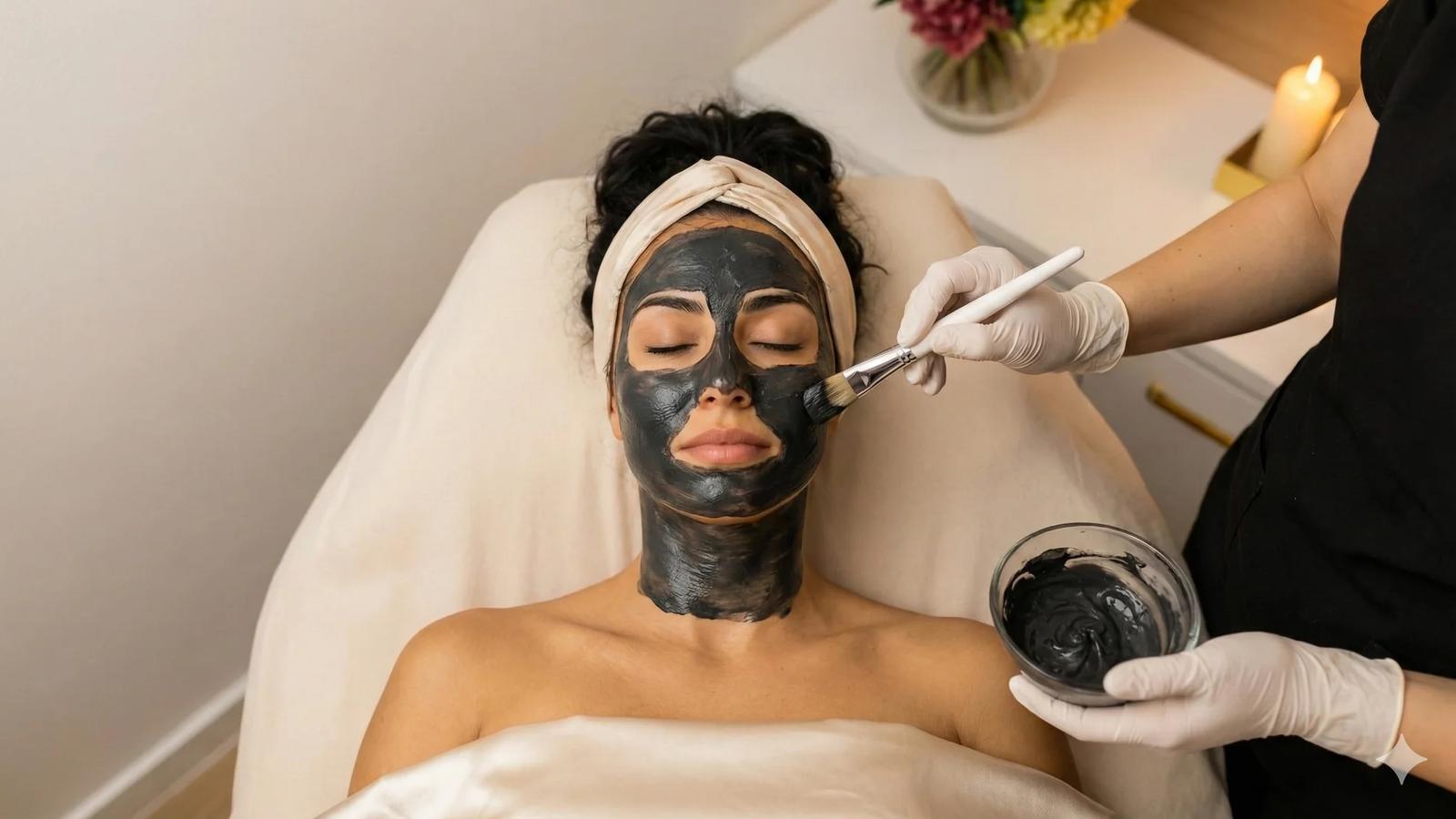
In our experience, the clients who calm their 20s acne fastest do less, not more. A gentle cleanser, a targeted active, daily SPF, and a non-comedogenic moisturizer beat a cabinet full of harsh products. Professional extractions clear stubborn congestion without the damage that picking at home causes. If you want hands-on help, our acne facial in Temecula is built around gentle, deep cleansing rather than aggressive treatment.
Why does adult acne show up in your 30s and 40s?
Plenty of people get their first real acne in their 30s and 40s, even with clear teenage skin. Life stages drive it. Pregnancy, postpartum recovery, stopping or starting birth control, and rising stress all shift your hormone balance. As you approach perimenopause, estrogen drops while androgens stay steadier, which can tip the scales toward breakouts again.
Adult skin also behaves differently than teen skin. It's often drier and more reactive, so the strong acne products marketed to teenagers can leave it red and irritated. That's why a one-size approach rarely works past 30.
Mature, acne-prone skin needs balance: enough exfoliation to keep pores clear, plus enough hydration and barrier support to stay calm. We often pair professional treatments with a simpler home routine to hit that balance. When flares spread past the face to the chest or back, a back facial for bacne follows the same gentle logic on harder-to-reach skin. You can explore the full range of options on our acne treatments page, where everything starts with an assessment of your skin's current state.
Esthetician care versus a dermatologist visit
Knowing the difference matters. A licensed esthetician works on the skin: clearing congestion, gently exfoliating, calming inflammation, and coaching you on a routine that fits your life. A dermatologist works on the medical side: prescribing topicals, antibiotics, or hormonal therapy when acne is deep, cystic, or scarring.
These roles work best together. If your acne is severe or leaving scars, please see a dermatologist first. Aura Aesthetics is an esthetician-led facial spa, not a medical spa, so we don't offer injectables, lasers, or prescription treatments. What we do offer is consistent, professional skin support to manage breakouts and the marks they leave behind.
Yuliya Gulina, our Licensed Esthetician (CA license #Z 172596), starts every plan with a skincare consultation. She reads your skin, asks about your history and triggers, and builds a realistic routine. We serve clients across Temecula, Murrieta, Menifee, Wildomar, Winchester, and Lake Elsinore, and we're proud of our 5.0-star rating from 90-plus reviews.
Managing hormonal acne day to day
Consistency beats intensity. The strongest results come from a simple routine you actually stick with, not a dramatic overhaul you abandon in two weeks. Start with the basics, give each change a few weeks to show, and adjust slowly.
A reliable daily framework looks like this:
- Cleanse gently morning and night with a mild, non-stripping cleanser.
- Treat with one targeted active, like salicylic acid or niacinamide, introduced slowly.
- Moisturize with a lightweight, non-comedogenic formula to support your barrier.
- Protect every morning with broad-spectrum SPF, since acne marks darken in the sun.
- Resist picking, which deepens marks and extends healing time.
Beyond products, small lifestyle habits help. Change your pillowcase often, clean your phone screen, and manage stress where you can, since cortisol nudges oil production up. None of this is a quick fix, and we'd never promise one. With patience and the right plan, though, hormonal acne becomes far more predictable and far less frustrating.
Ready for a calmer, clearer routine?
If breakouts keep returning month after month, you don't have to figure it out alone. We'll look at your skin, talk through your triggers, and build a plan matched to your age and lifestyle. Book online via GlossGenius, or call or text us at (771) 444-5444. We'd love to help you feel comfortable in your skin again.
Not medical advice. Individual results vary.
Frequently asked questions
How do I know if my acne is hormonal?
Hormonal acne usually clusters along the jawline, chin, and lower cheeks, and it often flares on a monthly rhythm. The bumps tend to be deep, tender, and slow to heal. If your breakouts follow that pattern, hormones are likely playing a role.
Does hormonal acne go away with age?
Not always. Many people see breakouts ease after their early 30s, but plenty deal with it into their 40s and through perimenopause. Hormone shifts at every life stage can trigger oil and clogged pores, so age alone doesn't guarantee clear skin.
Can facials help hormonal acne?
Facials won't change your hormones, but they can help manage the skin side. Gentle exfoliation, professional extractions, and calming treatments reduce congestion and inflammation. Paired with a consistent home routine, they keep things calmer between flares.
Should I see a dermatologist or an esthetician for hormonal acne?
It depends on severity. Deep, cystic, or scarring acne calls for a dermatologist, who can prescribe medication or hormonal therapy. For congestion, mild-to-moderate breakouts, and ongoing skin support, a licensed esthetician is a great partner alongside medical care.
What home products help with hormonal breakouts?
A gentle cleanser, a non-comedogenic moisturizer, and daily SPF form the base. Ingredients like salicylic acid, niacinamide, and azelaic acid can help. We tailor specifics to your skin during a consultation, since the wrong actives can irritate more than they help.

Written by
Yuliya Gulina
Licensed Esthetician · CA License #Z 172596 · Face Reality Certified · 5+ years in Temecula
Yuliya founded Aura Aesthetics after her own experience with problem skin led her to professional skincare. She builds every visit around a consultation and your skin’s goals — acne, aging, or sensitivity. More about Yuliya